Technology for Micro-Arc Oxidation on Components
Introduction to Micro-Arc Oxidation Process
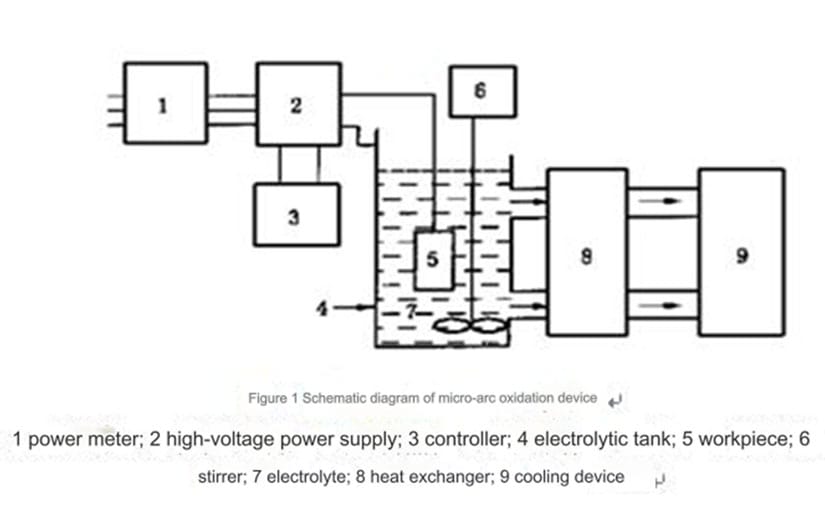
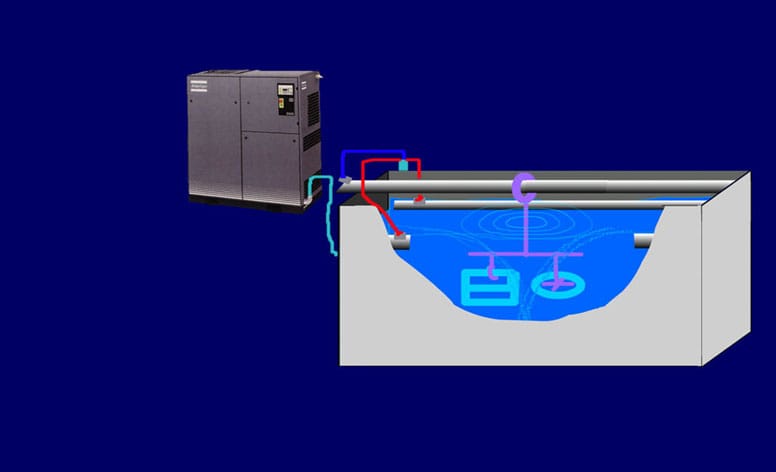
The corrosion resistance of high-strength aluminum, magnesium, and titanium alloys can be improved after anodizing treatment. The disadvantage is that the bonding force between the coating and the substrate is poor, and it is easy to be eroded, impacted, corroded, and exposed to high temperatures by highly corrosive media. It falls off and has poor wear resistance. . Micro-arc oxidation (MAO) technology is a new technology that allows the surface of aluminum, magnesium, titanium and their alloys to react in situ in the electrolyte to form their own ceramic oxides. The figure below is a schematic diagram of the main equipment of micro-arc oxidation. It can be seen from the figure that the workpiece 5 is used as the anode and the stainless steel electrolytic cell 4 is used as the cathode. It is placed in the electrolyte in a pulsed electric field environment. Plasma occurs on the surface of the sample due to the terminal voltage. The high-temperature and high-pressure conditions generated by discharge cause the aluminum and magnesium atoms in the micro-area to combine with the oxygen in the solution to form an aluminum oxide or magnesium oxide ceramic layer that is metallurgically combined with the matrix.
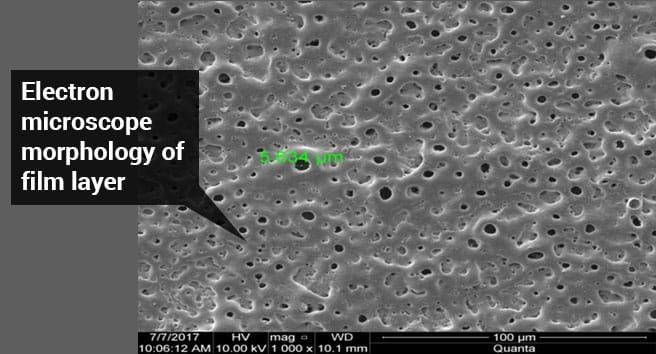
Protective Layer Details after MAO
- The surface of the aluminum substrate is formed after micro-arc: y-phase active Al2O3 + α-phase Al2O3 (bottom layer)
- Surface formation after micro-arc on magnesium substrate: active MGO or dense MGO
- Surface formation after micro-arc on titanium substrate: TIO2 with coexistence of rutile and anatase
- Micro-arc rear surface formation of zirconium substrate: tetragonal and monoclinic phase mixed ZrO 2
- Surface formation after micro-arc on niobium/tantalum substrate: polycrystalline tantalum pentoxide/niobium
- The above film layer is divided into a porous layer and a dense layer, which is a gradient composite ceramic material.
Dongguan Weiar Environmental Protection Technology Co., Ltd. MAO Environmental Protection Technology DG Co., Ltd
Common Knowledge about Micro-Arc Oxidation
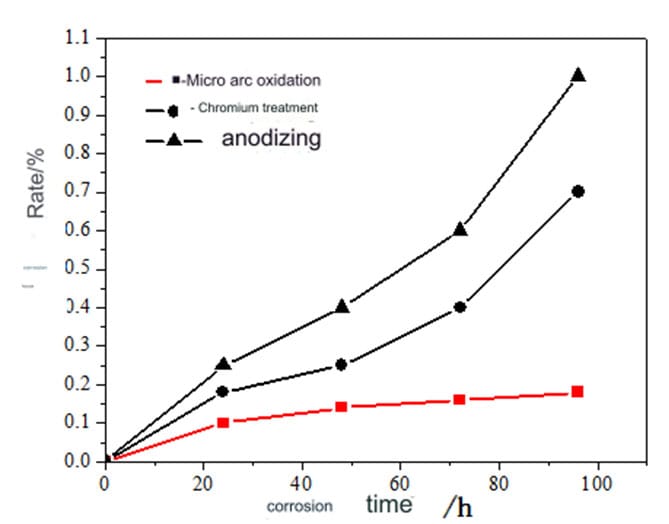
The relationship curve between the corrosion rate and corrosion time of the film layer treated by each process
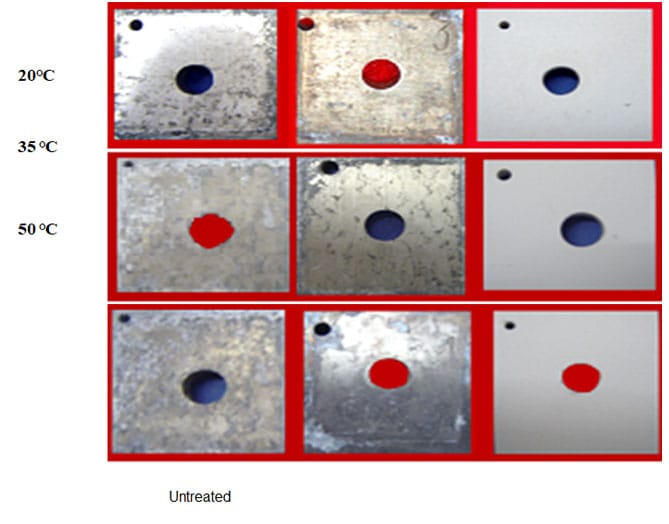
Salt spray test results of magnesium-aluminum alloy connection corrosion under different treatments (72h, 5%wt NaCl)
Film thickness
During micro-arc oxidation, because it is an immersion operation, there are precision holes, which should be covered by fixtures; the film layer grows internally and externally, so If you make a 10um film layer, then the outer growth will be 6-7um on one side. Therefore, it is necessary to consider setting aside a large amount of space when designing precision dimensions.
Or masking, post-processing and other processes. The conductive position can be passivated and masked or MAO first and then CNC
Salt spray requirements
Generally divided into copper salt accelerated, neutral, acidic, etc. After micro-arc oxidation of aluminum alloy, the surface is aluminum oxide, which is acid-resistant but not alkali-resistant. After micro-arc oxidation of magnesium alloy, the surface is magnesium oxide, which is alkali-resistant but not acid-resistant. If acidic salt spray is required, post-processing must be considered. If salt spray requires a long time, copper salt acceleration may be considered.
Crash/drop test
The micro-arc oxidation coating has good adhesion and is relatively hard, but when doing drop tests, you should consider avoiding sharp corners.
Hanging point
Micro-arc oxidation is different from anodizing in that close surface contact is required between the anode and the product. Especially magnesium alloy, if hung.
If the position contact is small or unreliable, there is a risk of burning. At the same time, there is a risk that a very small number of positions in the hanging hole will not be coated with a film layer.
Color
Micro-arc oxidation is not an appearance surface treatment process, and colors other than black and white are difficult to meet appearance and color difference standards.
Color after matching process.
If it is used directly as the exterior surface, the hydrophilicity of the film layer should be considered.
Typical Characteristics of MAO
Hardness/Wear Resistance
Micro-arc oxidation hardness and wear resistance are most closely related to the base material: aluminum alloys are treated with T4T5T6, 1-7 and super aluminum Alloys have different hardness and wear resistance, followed by formula and process; there are many test standards for hardness/wear resistance. Design engineers should consider simulating the product usage environment for testing.
Antioxidant
Antioxidation should not be equated with salt spray, but is the corrosion resistance of the film in an oxygen environment.
Withstand Voltage/Insulation
The micro-arc oxidation film layer is insulating after sealing, and its withstand voltage is 400-1500V DC.
High Temperature Resistance
The micro-arc oxidation coating has a temperature resistance value of 1500 degrees for two minutes and 360 times of high and low temperature testing, as well as a temperature resistance of 300 degrees for 1000 hours.
Matte
Due to the process structure of the micro-arc oxidation coating, the coating is matte, and its light reflectivity is lower than that of anodes, hard oxides, etc. If it is post-polished, it can be high-gloss, but it will not form a mirror surface.
Other characteristics of surface treatment of 3C parts
The micro-arc oxidation film layer can also be used for: high heat dissipation, thermal barrier, self-lubricating, etc. according to the formula adjustment.
APPLICATION of MAO & ADVANTAGES
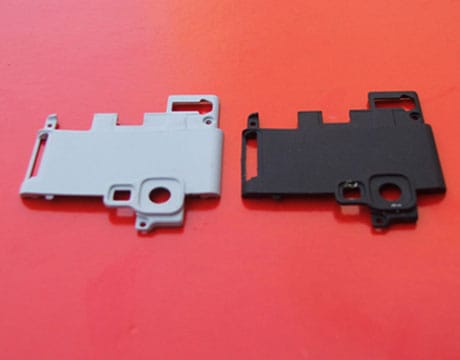
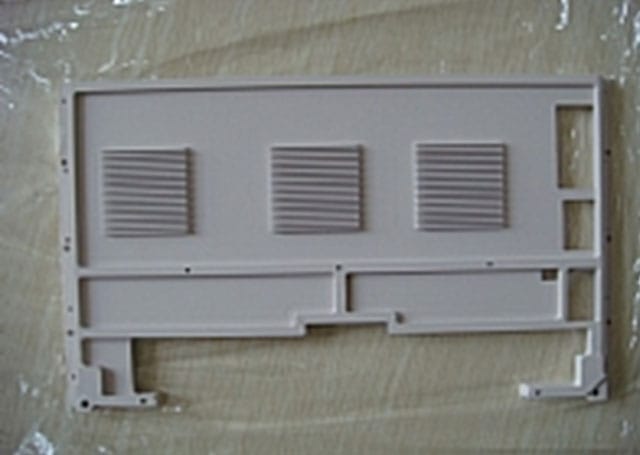
1. Internal bearing parts
Metal matrix composite ceramic bearing parts produced by processing aluminum, magnesium and titanium have the following advantages:
- Compared with plastic bearing parts, it has the advantages of load bearing and high strength.
- Compared with steel, iron, and copper load-bearing parts, it has the advantages of lightweight and insulation, and has the strength advantages of steel and iron.
- Compared with other processes of light metal such as anode and spraying, it has the advantages of high corrosion resistance, super wear-resistant insulation, high hardness, high bonding force, and high heat dissipation.
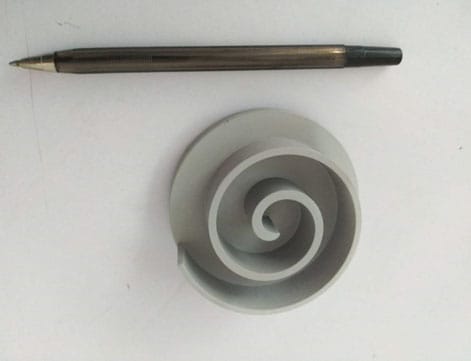
Forged Aluminum New Energy Vehicle Parts
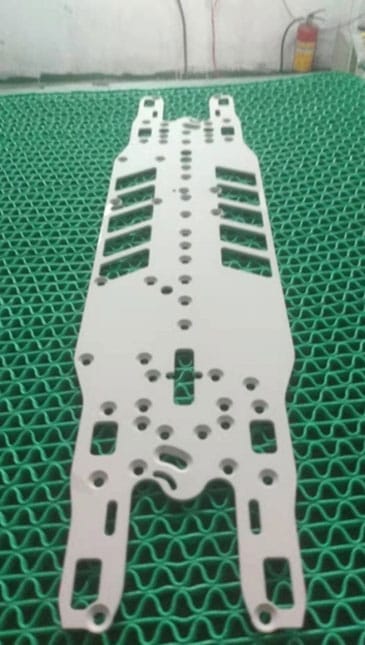
Magnesium Alloy Structure Support Plate
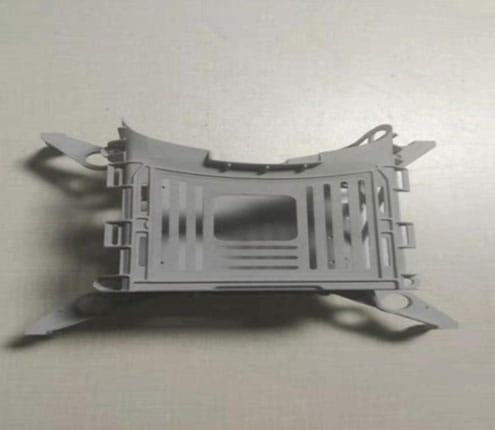
Drone parts
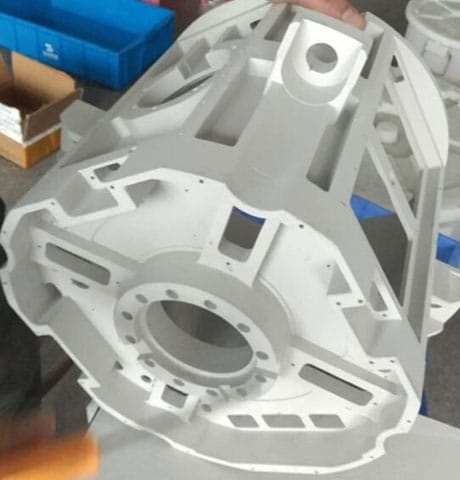
Magnesium Alloy Large Load-Bearing Parts
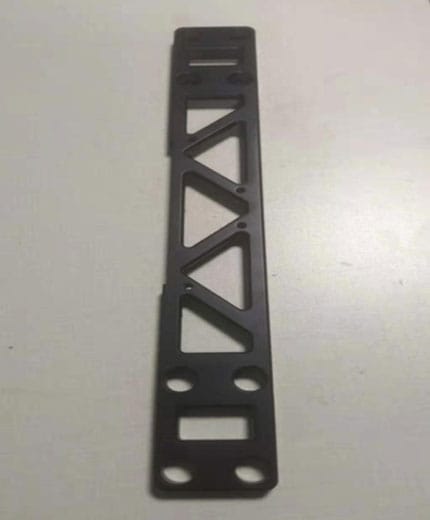
Magnesium Alloy LED Bracket Micro-Arc Powder Spraying
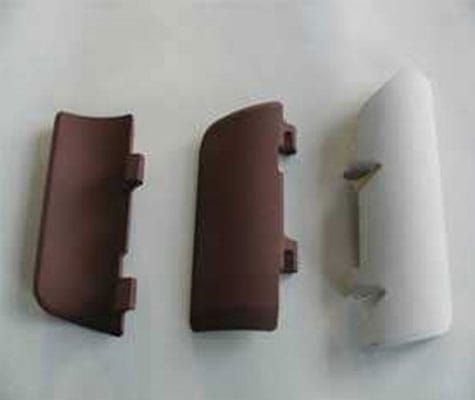
2. Appearance and shell
Metal matrix composite ceramic appearance shell parts produced by processing aluminum, magnesium and titanium have the following advantages:
- Compared with plastic bearing parts, it has the advantages of load bearing and high strength.
- Compared with steel, iron and copper load-bearing parts, it has the advantages of lightweight and insulation, and has the strength advantages of steel and iron.
- Compared with other light metal processes such as anode and spraying, it has the advantages of high corrosion resistance, insulation, high hardness, and high wear resistance.
- Disadvantages: hydrophilic and not stain-resistant; the color is monotonous and the color is not bright enough.